
How to Tell If Your Bra Fits Properly
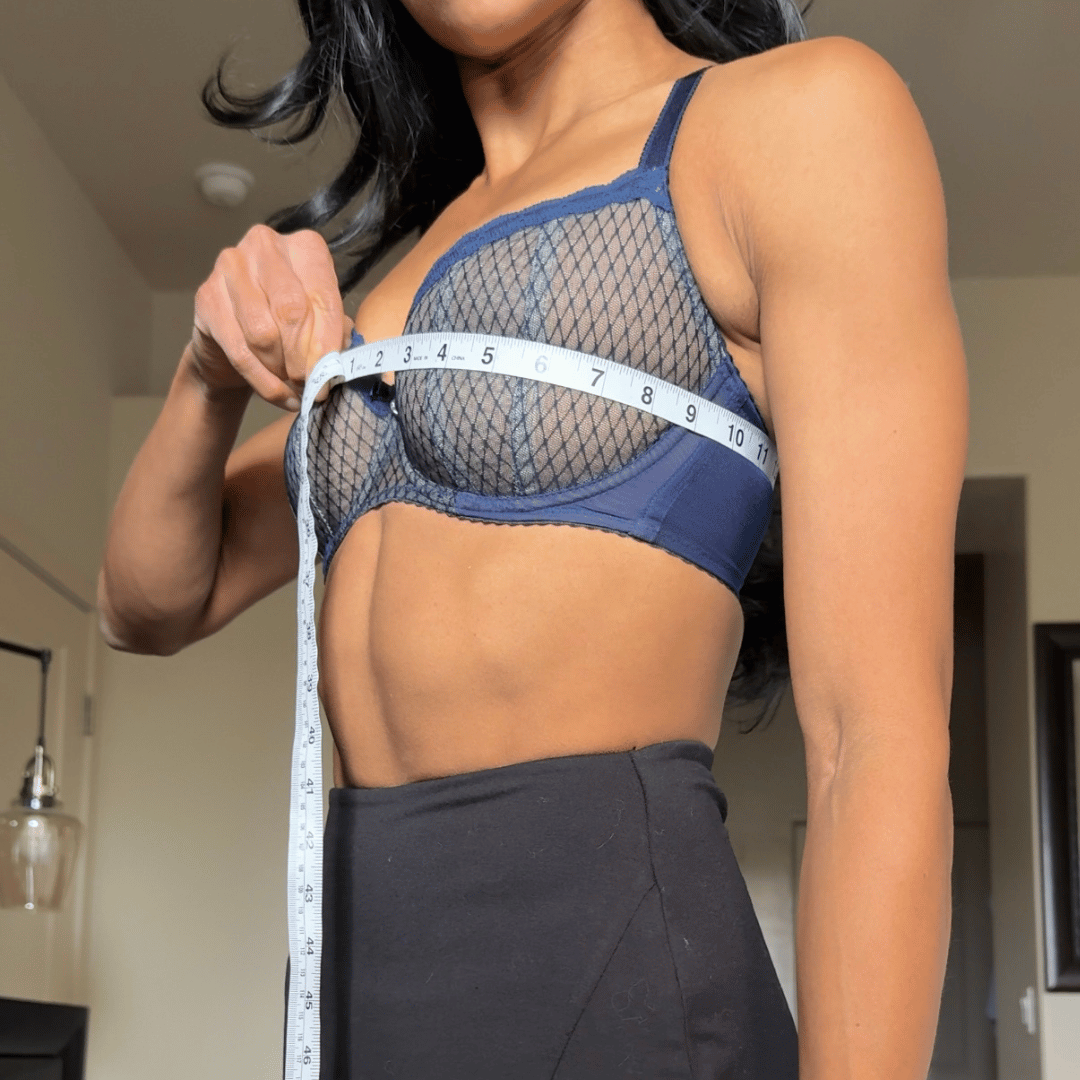

If there is one thing we hear over and over again, it is this:
“I still don’t know if my bra actually fits me.”
And the truth is, that feeling is completely normal.
Most people are surprised to learn how common it is to wear the wrong bra size, which can lead to ongoing discomfort and support issues.
So many women, even well into adulthood, still question whether they are wearing the right size, whether their bra is supposed to feel this way, or whether discomfort is simply part of having a fuller bust. For years, many women have been told that strap pain, band riding, gaping cups, or tissue spilling out are just “normal bra problems.”
One common mistake is assuming these issues are unavoidable, when in fact they often result from incorrect band tightness, improper adjustment, or neglecting to re-measure your size over time.
But they are not.
Remember: the issue is not your body. It is that no one was ever taught how a bra should actually fit, how to put one on correctly, or what signs to look for when something is off.
Experts estimate that up to 80% of women may be wearing the wrong bra size.
A properly fitted bra should feel supportive, stable, and comfortable. It should hold breast tissue securely without digging, pinching, shifting, or making you constantly adjust throughout the day.
Before diving deeper, check out a the video above for a super fast overview, and here is a summary in list form of how to check if your bra fits properly:
Quick Bra Fit Checklist
1. Put the bra on correctly
Fasten the band on the loosest hooks
Lean forward and position breast tissue into the cups
Adjust the band first, then the straps
2. Use the scoop and swoop technique
Pull breast tissue fully into the cups
Adjust tissue from the sides and underarms
Make sure the underwire fully surrounds breast tissue
3. Adjust the straps properly
Straps should feel snug, not tight
They should not dig in or slide off
Most support should come from the band, not the straps
4. Evaluate the fit of each bra component
Check that the band sits level and firm
Ensure cups fully contain breast tissue
Confirm the center gore lies flat
Make sure underwires do not sit on tissue
5. Pay attention to overall comfort and support
Your bra should stay in place throughout the day
You should not constantly adjust it
The fit should feel supportive, balanced, and comfortable
A well-fitting bra should become less noticeable over time
In this guide, we will walk through exactly how to tell if your bra fits properly, from how to put it on to the fit details that matter most.

1. Start by Putting the Bra On Correctly
One of the most overlooked parts of bra fitting is simply putting the bra on the right way.
A bra can technically be the correct size and still feel wrong if it is not positioned properly on the body.
To put on a bra, you can hook it behind your back or around your waist and pull it up to the right place. Start by fastening the band on the loosest, outermost hooks when the bra is new. This gives you room to tighten the band gradually over time as the elastic relaxes with wear.
Once the band is fastened, lean forward slightly and allow your breast tissue to fall naturally into the cups. Leaning forward helps your breasts fall naturally into the cups for a better fit.
After that, stand upright and adjust the cups and straps as needed. Adjust the band so it lies flat against your chest underneath your breasts, creating a flat surface for optimal support and comfort.
This process may seem simple, but it makes a huge difference in how the bra sits, especially for fuller busts where breast tissue can be softer, heavier, or more projected.

2. Use the Scoop and Swoop Technique
Even after putting the bra on, there is one more important step: adjusting your breast tissue into the cups.
This is often called the “scoop and swoop” technique, and it can completely change how a bra fits.
To do this:
-
Reach into the cup with the opposite hand
-
Scoop breast tissue from the side of the body and under the arm forward into the cup
-
Gently lift and position the tissue so it sits fully inside the underwire and cup area
-
Repeat on the other side
Many women do not realize that breast tissue can migrate toward the sides, underarms, or even slightly toward the back over time, especially if they have worn bras with cups that were too small.
The scoop and swoop helps make sure all of the tissue is sitting where it belongs.
If a bra suddenly feels too small after doing this, that is often a sign that the cups were not actually containing all of your breast tissue before.
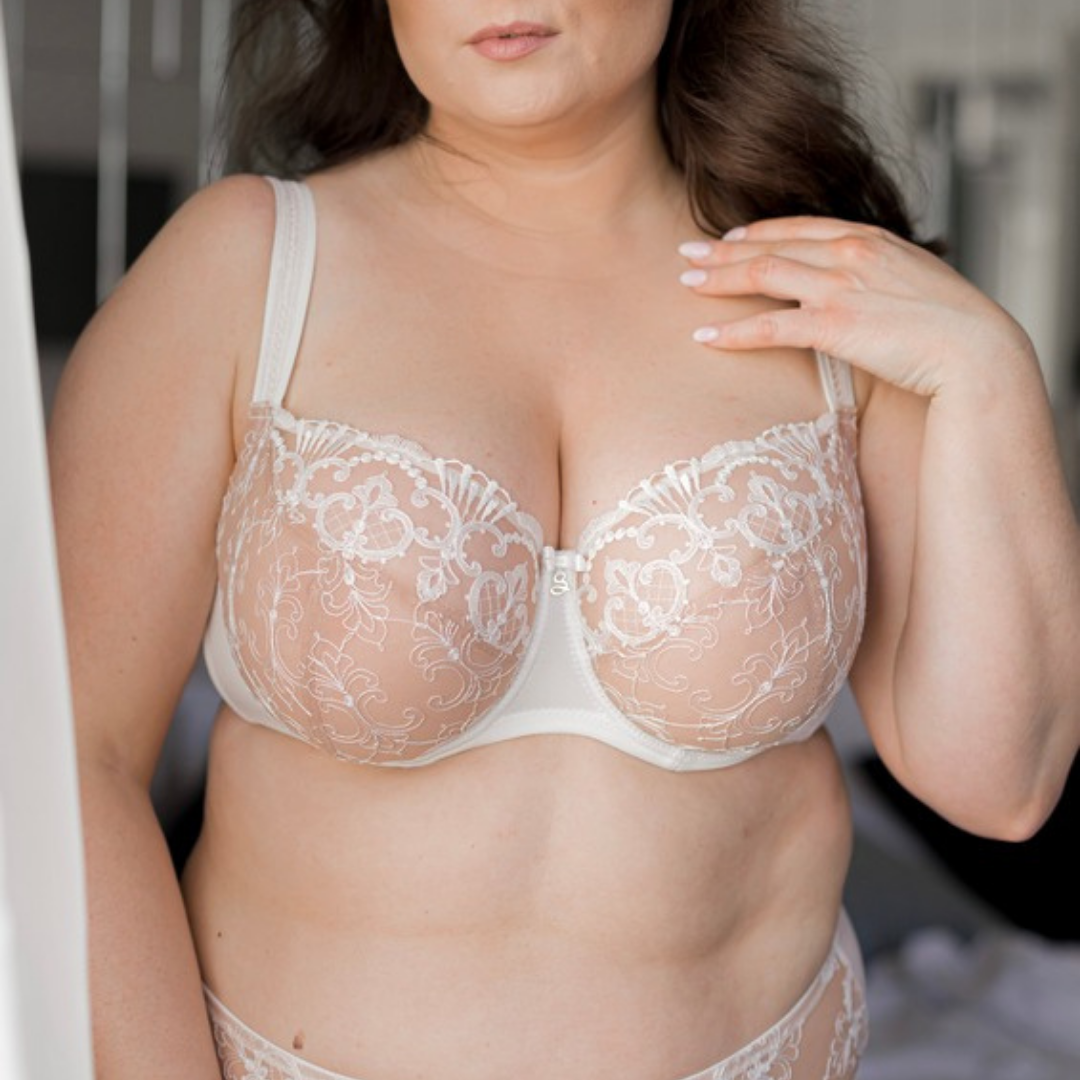
3. Adjust the Straps Properly
Bra straps matter, but not in the way many people think.
A common misconception is that bra straps are supposed to hold the breasts up. In reality, most of the support in a bra should come from the band, not the bra straps.
The bra straps are there to stabilize the cups and fine-tune the fit.
When adjusting bra straps:
-
They should feel snug but not tight
-
You should be able to slide one or two fingers underneath comfortably
-
They should not dig into your shoulders or leave deep marks
-
They should not slide off throughout the day
Adjust the shoulder straps so that they are not digging into your shoulders or slipping off. You can place two fingers under the strap at the shoulder to ensure it's comfortable. Straps should provide only about 10–20% of support and should stay in place without digging into your shoulders.
If the bra straps are doing all the work, it usually means the band is too loose.
On the other hand, if you loosen the bra straps and the cups suddenly droop or collapse, that is another sign the band is not providing enough support.
A well-fitting bra should still feel supportive even if the bra straps are loosened slightly. Properly adjusted bra straps contribute to a feeling of security and support throughout the day.

4. Understanding Bra Components
A bra is made up of several key components, each playing an important role in how the bra fits and supports your body. The bra band is the foundation, providing most of the support by wrapping firmly around your rib cage. It should feel snug but not tight, sitting level and flat against your skin. The cups are designed to fully contain your breast tissue, preventing bulging or gaping for a smooth, secure fit. Adjustable straps help fine-tune the fit, offering extra support without digging into your shoulders or slipping off. The underwire, if present, should sit flat against your rib cage, following the natural curve of your breasts without poking or pressing into your skin. Understanding how these components work together will help you recognize when a bra fits properly and when it’s time to try a different size or style for better support and comfort.
4.1 The Band: Your Foundation for Support
The band is the most important part of the bra fit.
About 70–80% of the support should come from the band because it wraps around the rib cage and anchors the entire bra to the body. The band must fit properly to provide this support and ensure comfort.
The band provides about 80% of the support in a bra, so it is crucial for it to fit properly.
A good band should:
-
Sit level all the way around the torso
-
Feel firm and secure on the loosest hooks when new
-
Stay in place when you move, bend, or raise your arms
-
Not ride up at the back
-
Not pull far away from the body when you tug on it
If the band rides up between your shoulder blades, it is likely too loose.
If it feels painfully tight, restricts breathing, or leaves deep welts and marks, it may be too small.
It is important to remember that “firm” does not mean “painful.” A supportive band can still feel comfortable, soft against the skin, and easy to wear for long periods.
For fuller busts especially, a properly fitting band helps distribute breast weight across the rib cage rather than concentrating it on the shoulders.
4.2 Cup Volume: Does the Bra Fully Contain Your Tissue?
Cup fit is one of the easiest places to spot whether a bra fits correctly.
A well-fitting bra cup should fully encase your breast tissue without empty space, wrinkling, spilling, or bulging. Your bra should support your boobs comfortably and feel good throughout the day.
Many women have one breast larger than the other. It's best to fit your bra to the larger breast and adjust the smaller side as needed for the best support and comfort.
Signs the cups are too small:
-
Tissue spilling over the top of the cup
-
Bulging near the underarm area
-
The center gore not sitting flat against the chest
-
Underwires sitting on breast tissue instead of behind it
Signs the cups are too large:
-
Wrinkling or empty space inside the cups
-
Gaping near the top edge
-
Cups collapsing inward when you move
-
The bra shifting because the cups are not being filled properly
Cup fit should feel secure and smooth. You should not feel compressed, flattened, or squeezed unnaturally.
4.3 Cup Shape Matters Too
Cup volume is only one piece of the puzzle. The shape of the cup matters just as much, and trying on different styles can help you find what fits and feels best for your body.
Two bras can technically be the same size but fit very differently depending on their shape.
For example:
-
Full-on-top breasts often need cups with more open upper sections or stretch lace
-
Full-on-bottom breasts may do better in styles with lower cup cuts and stronger lower cup support
-
Projected breasts need deeper cups rather than shallow molded shapes
-
Outer-full breasts may need more side support to bring tissue inward
If you have larger breasts, look for bras with larger cups, as these provide better coverage, support, and comfort. Many brands and stores offer a variety of styles designed specifically for larger cup sizes.
If you have asymmetrical breasts, using padding in the cup on the smaller side can help achieve a balanced look and improved fit.
A bra may technically fit your measurements but still feel wrong if the shape does not work for your body. If your cups are gaping, tightening the band may help bring the cup closer to your body. If your bra is too tight or the cups are bulging, try a larger bra size. If the band feels too loose or the cups are gaping, you should try a smaller bra size.
When the shape is right, the bra should feel natural, flattering, and supportive. It should work with your body rather than forcing it into a shape it does not want to be.
4.4 Check the Underwires Carefully
Underwire fit is often overlooked, but it can tell you a lot about whether the bra is right for you.
The underwire should follow the natural outline of your breast root. It should sit just behind your breast tissue rather than on top of it. The underwire and cups should create a flat surface against your body, ensuring a smooth and comfortable fit.
You should check:
-
Does the wire sit flat against the chest between the breasts?
-
Does it follow the natural width of your breast root?
-
Does it stay in the inframammary fold, where the breast meets the chest?
-
Does it poke, dig, or sit on tissue anywhere?
-
Does the center gore of the bra sit flush against your sternum without digging into your chest?
If the wires are too narrow, they may sit on breast tissue and cause pain.
If they are too wide, they can extend too far into the underarm area and feel awkward or unstable.
Wire height matters too. Very tall wires can dig into the underarms or sternum if they are too high for your frame.
The right wire should feel secure and supportive without making you constantly aware of it.
4.5 Evaluating the Center Gore
The center gore is the small piece of fabric that connects the two cups at the front of your bra. For a bra to fit correctly, the center gore should lie flat against your chest, creating a secure and comfortable fit. If the center gore lifts away from your body, digs in, or feels uncomfortable, it’s a sign that the bra may not be the right size or shape for you. Sometimes, adjusting the straps or trying a different cup or band size can help the center gore sit flat. A well-fitting center gore is essential for proper support and ensures that your bra feels comfortable throughout the day.
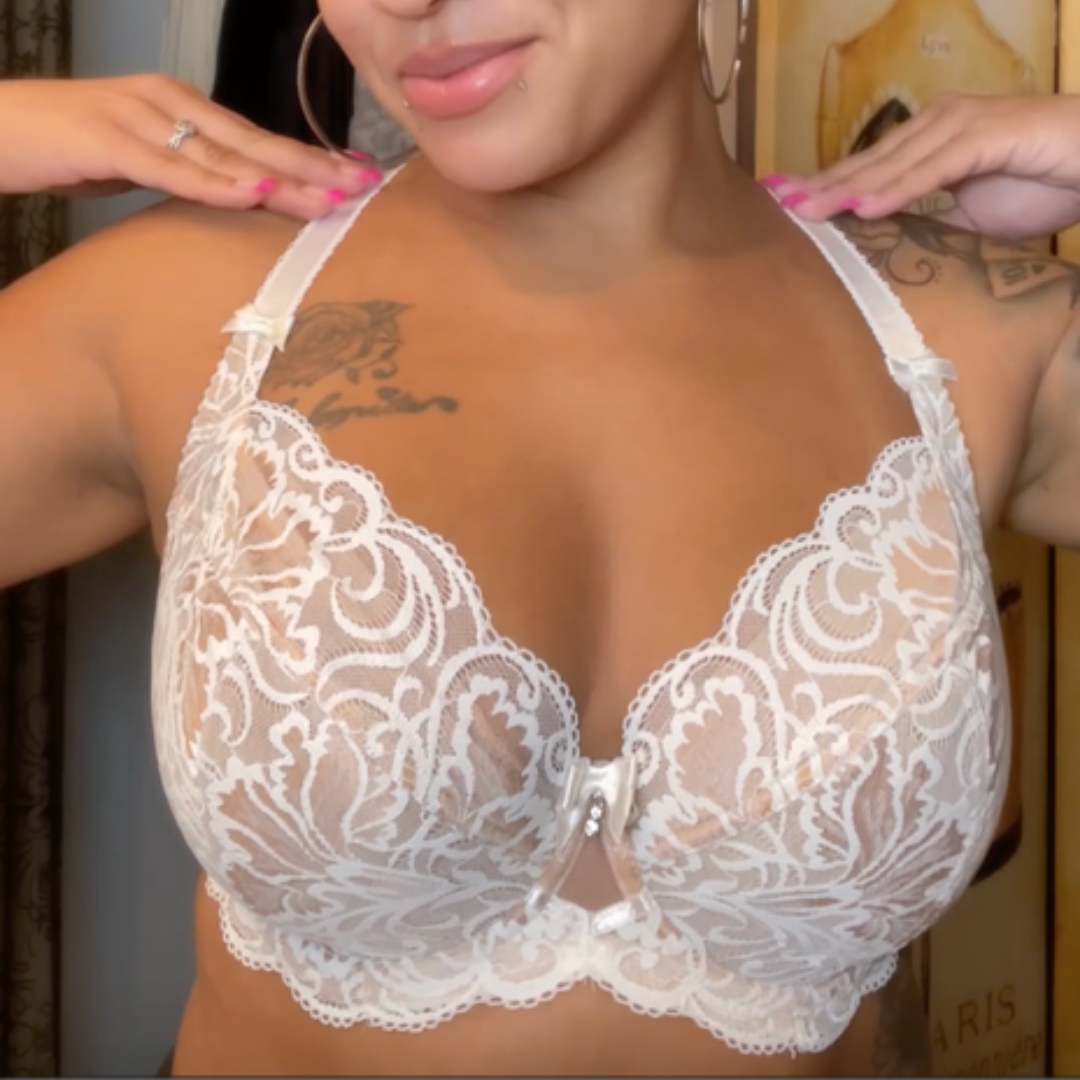
5. Other Signs Your Bra Fits Properly
Sometimes the easiest way to tell if a bra fits is by how little you think about it. Use a mirror to visually assess the fit - look for bulging, gaps, or misalignment, and check how the bra appears under clothing.
A good bra should:
-
Stay in place throughout the day, even when you raise your arms above your head without the bra lifting or moving from its position
-
Let you move comfortably without constant adjustment
-
Feel supportive without pain
-
Allow you to slide two fingers comfortably under the band at the back and under the straps
-
Improve posture naturally
-
Create a shape you feel confident in
-
Disappear into the background of your day
If your bra is leaving red marks on your skin, it doesn't necessarily mean your bra is too small; consider that well-fitting jeans and socks can also leave a compression mark that turns red. However, if you're experiencing pain, you should consider re-checking your band size.
If you are constantly tugging, lifting, adjusting, or thinking about your bra, there is usually a fit issue somewhere.
The goal is not for your bra to feel invisible the second you put it on. The goal is for it to feel correct, balanced, and supportive enough that you stop noticing it after a while.
For more information on bra fitting and signs of a good or bad fit, refer to this page as a helpful resource.
REMEMBER: Bra Fit Changes Over Time
Even if you find a bra that fits perfectly today, that does not mean it will fit the same forever.
Bodies change. Weight fluctuates. Hormones shift. Breast shape can evolve over time. You should re-measure your bra size regularly, especially after significant weight changes or hormonal fluctuations.
Bras change too.
Elastic relaxes. Bands stretch. Cups soften. Materials wear down. When your current bra no longer fits well or feels uncomfortable, it's important to replace it with a new bra to ensure proper support and comfort.
That is why reassessing your bra fit every six to twelve months can be so helpful, especially if you notice discomfort, shape changes, or more frequent adjusting. When you get a new bra, stick with it during the break-in period, even if it feels a bit uncomfortable at first, as it may take some time to mold to your body and become more comfortable.
You are not “bad at bras” if your fit changes. That is simply part of having a body.
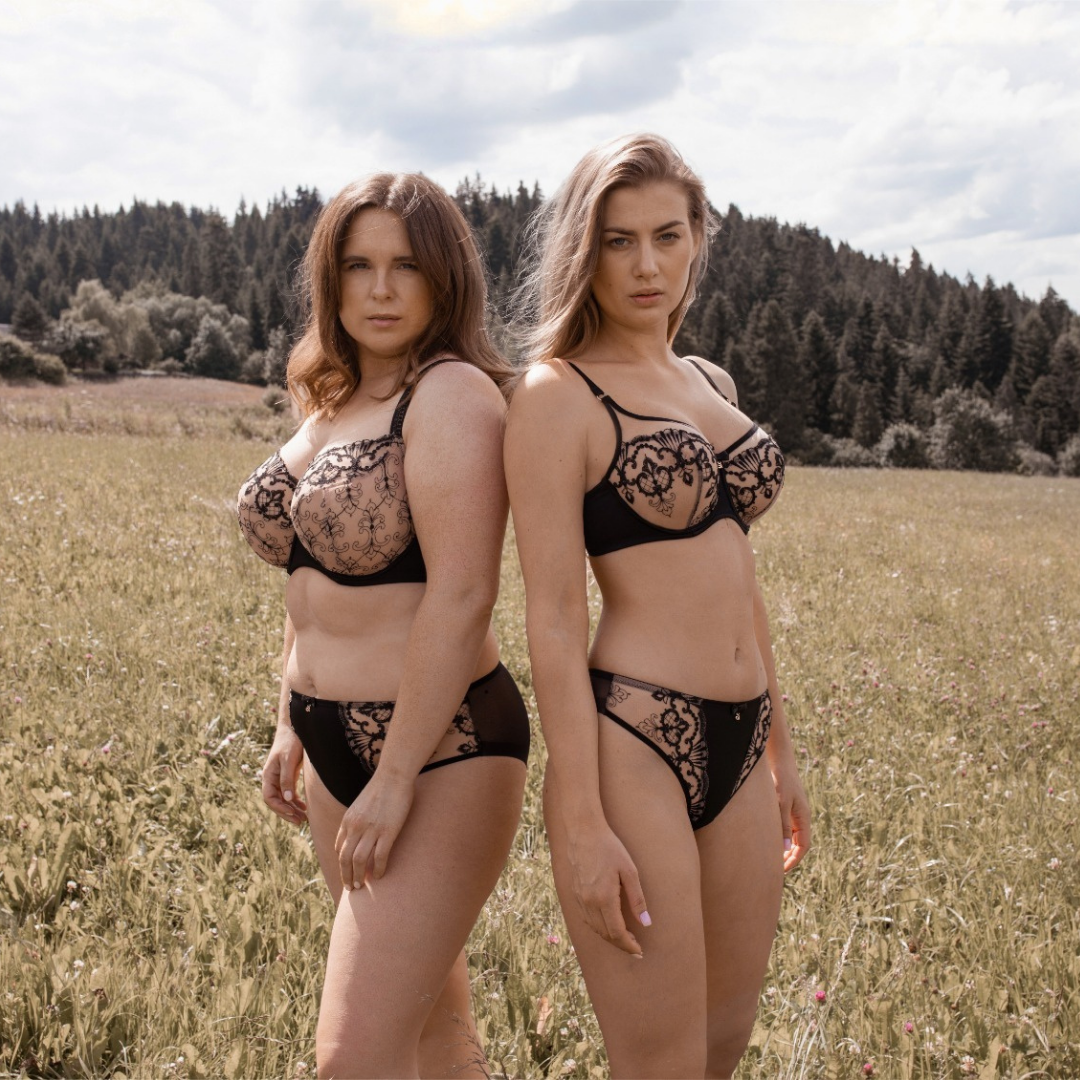
You Are Not the Problem
If you have spent years thinking bras were supposed to hurt, shift, dig in, or frustrate you, you are not alone.
Most women were never taught what proper fit should actually feel like.
Many women have asymmetrical breasts, and it's completely normal - there are bras and padding options designed to accommodate this, so there's nothing to be ashamed of.
That is why learning how to assess fit is so important. It changes the entire experience of wearing a bra.
You stop blaming your body. You stop settling for discomfort. You start understanding what support should actually feel like.
And once you experience a bra that truly fits, it becomes much easier to recognize when something is not working.
Find a Bra That Truly Fits
At Miseczki, we believe full-bust women deserve more than “good enough.” You deserve bras that support your shape, respect your body, and help you feel comfortable and confident throughout the day.
Explore our curated collection of Polish bras designed with supportive bands, deeper cups, thoughtful construction, and real full-bust needs in mind.
👉 Discover bras designed for proper fit and support
👉 Learn more about Polish bra construction
👉 How to find a bra that finally feels right
Because when a bra truly fits, you stop fighting your body and start supporting it.

How Bra Size Changes: Hormonal Changes, Weight Fluctuations, and Life Stages Affect Your Size
Your bra size isn't fixed, it shifts with your menstrual cycle, pregnancy, breastfeeding, weig...


Best Plunge Bras for Deep Necklines
Low necklines and DD+ cup sizes are a notoriously difficult combination, but the problem is no...


Top Wired Polish Bras for Asymmetrical Breasts
Breast asymmetry affects more than half of all women, but most bras are built as though it doe...
DD+ Bras Made in Poland Are Our Passion & Expertise


Specialized Polish Fit Expertise
Unlike many other boutiques, Polish bras are our specialty and our passion. We work exclusively with the top Polish brands and understand the subtle nuances in fit, shape, style, and support.


Personalized Fit Support
Have a question on sizing? Start with our size guide, complete with a Polish Bra Size Calculator to find your best starting point and brand conversions. Still unsure? Contact us, for tailored fit advice.


Loyalty Points and Discounts
Join our loyalty program to earn points for discounts on future orders. Sign up for our newsletter to stay up-to-date on our latest deals and arrivals.


Fast Delivery and Exchanges
We provide fast, hassle-free, domestic delivery. All orders are shipped out of Chicago and typically arrive within a few days. If you need a size adjustment, it's easy to make a free exchange. We offer free returns for store credit (+ 5% bonus credit where eligible).