
How Bra Size Changes: Hormonal Changes, Weight Fluctuations, and Life Stages Affect Your Size


If you’ve ever noticed your bra feeling tighter, looser, or just… “off” without any obvious reason, you’re not imagining things. Our bodies are constantly changing and for full-bust women, even subtle shifts can dramatically impact bra fit, comfort, and support. Many factors influence hormone level fluctuations, which in turn affect breast changes and related symptoms. Understanding why these changes happen and how to adapt is key to staying comfortable, confident, and supported every day.
From puberty to menopause, pregnancy to postpartum, and the ups and downs of weight fluctuations, your breasts are dynamic. As women age, breast size and health risks can change, making regular reassessment of fit and support especially important. They respond to hormones, body composition, and life events and your bras should too. Choosing the right fit isn’t just about aesthetics; it’s about posture, comfort, and long-term breast health.
In this guide, we’ll break down the main factors that affect bra size over time, explain what to watch for, and give practical tips for full-bust women to stay comfortable through every change.
Hormonal Changes and Their Impact on Bra Size
Hormones are the master regulators of breast tissue. Hormone changes and fluctuations in hormone levels are key drivers of breast size fluctuations. Changes in estrogen, progesterone, prolactin, and other hormones influence not just size, but also fullness, projection, and sensitivity.
Hormone imbalances can cause a variety of symptoms, and the specific hormone involved determines the effects a woman experiences. Endocrine glands, including women's ovaries, are responsible for producing hormones that regulate many bodily functions, such as metabolism, growth, mood, breast development, and sexual health. Maintaining hormonal balance is important for optimal sexual health.
-
Menstrual Cycles
Many women notice their breasts swell or feel heavier in the week leading up to their period due to hormonal fluctuations during the menstrual cycle. This is caused by a natural spike in progesterone and fluid retention, which can make cups feel snug and straps dig into your shoulders.
During the luteal phase of the menstrual cycle, progesterone and estrogen levels fluctuate, which can affect breast size and cause breast soreness. Estrogen levels rise and fall throughout the menstrual cycle, impacting breast volume and contributing to cyclical changes in fit and comfort. A high fat diet, along with caffeine intake, can also contribute to breast swelling during the menstrual cycle. Hormonal fluctuations can impact breast size and shape, and may also lead to irregular periods and other symptoms such as breast soreness and tenderness.
Fit tip: You don’t need a different bra every week, but choosing bras with some stretch in the cups or adjustable straps can help maintain comfort during these cyclical changes. Polish bras often use flexible fabrics that adapt to temporary volume shifts without losing support.
-
Pregnancy
During pregnancy, hormone-driven growth can increase breast size significantly, sometimes by one to two cup sizes or more. During pregnancy, increased levels of estrogen and progesterone can lead to an increase in breast size. The rib cage may also expand slightly to accommodate changes in body shape, impacting band fit. Nipple discharge is another possible symptom during pregnancy due to hormonal changes, along with breast tenderness and benign lumps.
Key features to look for:
-
Adjustable bands and multiple hooks
-
Deeper cups to contain growing tissue
-
Stretch-friendly materials that provide gentle lift without compressing
A well-fitting pregnancy bra ensures comfort, prevents excessive strain on shoulders and back, and protects delicate breast tissue as it expands.
You don't necessarily need a special maternity style, what matters most is a bra that fits properly and accommodates your growing tissue without poking or compressing.
-
Breastfeeding and Postpartum
Breasts continue to fluctuate during breastfeeding. Milk production causes temporary fullness and engorgement, and as supply varies, your bra fit can feel inconsistent day to day.
Solutions include:
-
Nursing bras with flexible cup panels and clip-on straps to easily cups down
-
Removable inserts to accommodate asymmetry
-
Most important: a bra that fits correctly, has enough cup volume, and does not poke or compress your tissue. Breasts are highly sensitive during this time and go through a lot of change. A proper fit that's supportive but not constrictive is critical.
Postpartum, as milk supply stabilizes, your size may shrink or settle into a new permanent size. Regularly reassessing fit ensures your bras remain supportive and comfortable.
-
Menopause
Declining estrogen and progesterone levels can lead to a loss of glandular tissue and fat redistribution, often resulting in smaller but less firm breasts. As estrogen levels drop, especially during and after menopause (post menopause), breasts may become less full and less firm, and these changes can continue over time. Menopausal symptoms such as hot flashes, night sweats, vaginal dryness, and breast pain are also common experiences during this stage. Additionally, the risk of breast cancer increases during and after menopause due to factors like genetic mutations and hormonal changes, making regular screenings especially important. Treatment options for menopausal symptoms include hormone therapy, lifestyle changes, and other medications - it's best to consult a healthcare provider for personalized advice and management.
Fit tip: Look for bras with adaptive cup designs and supportive bands that accommodate changes in shape rather than relying on size alone. Polish bras, with their thoughtful construction and deep cups, often excel at providing support through these shifts.
Weight Gain and Loss: What Changes in Bra Fit
Your overall body composition directly influences your bra size. Physical changes such as weight gain or loss can impact breast size, leading to noticeable differences in how your bras fit. Fat tissue makes up a significant portion of breast volume, and even small fluctuations in weight can alter cup fullness and band tension. In fact, a person's bra size can change up to six times throughout their life due to biological aging and life events. Significant weight changes of 15-20 pounds can also alter cup size, making it important to reassess your fit regularly.
-
Weight Gain
An increase in weight may expand your cup size and possibly your band size. If your bras are not adjusted accordingly, cups may feel tight, underwires may dig, and bands can feel restrictive. This can contribute to discomfort, posture issues, and even shoulder or back pain in full-bust women.
Tip: Look for bras with firmer bands and deeper cups. Polish bras often provide reinforced side panels and adjustable hook-and-eye closures, allowing a snug but flexible fit as your body changes.
-
Weight Loss
Losing weight can reduce breast volume and loosen band fit, sometimes leaving straps slipping or cups gaping. Cups that are too large may flatten your shape, while bands that are too loose provide inadequate support.
Tip: Bras with adjustable straps, removable inserts, or stretch panels can help fill out space while maintaining support. Reassessing your bra size after weight changes is essential to prevent sagging, discomfort, and uneven support.

Puberty: Understanding Early Breast Development
During puberty, breasts grow rapidly and unevenly. Growth spurts can make sizing difficult, as one breast may develop faster than the other. For full-bust novices, finding bras that provide both lift and comfort without restricting growth is crucial.
Recommendations:
-
Soft cups or lightly structured bras with stretch lace
-
Adjustable straps and multiple band hooks
-
Bras that allow each breast to settle independently
Early education in bra fit can prevent discomfort, promote healthy posture, and encourage confidence during a sensitive developmental period.
Pregnancy and Postpartum Adjustments
We touched on this earlier, but it’s worth expanding. Pregnancy and postpartum periods are some of the most challenging times for bra fit.
-
Elasticity matters: Bands and cups need to stretch without losing support.
-
Lift is key: Even as breasts grow, they require lift to reduce shoulder and back strain.
-
Adaptable cups: Nursing or expandable cups help manage daily fluctuations in volume.
Polish bras, with their deeper cups, stable bands, and flexible fabrics, are particularly effective for full-bust women during these life stages. They combine structured support with adaptability, providing comfort as your body shifts.
Aging and Long-Term Shape Changes
Breast shape evolves with age due to the natural aging process, which leads to changes in breast size and shape over time. As women age, factors like gravity, tissue changes, and collagen loss contribute to these changes. Common changes include:
-
Lowering of the nipple position
-
Less upper fullness (full-on-bottom shape may appear more pronounced)
-
Wider roots due to tissue redistribution
Regular well woman visits are recommended for breast screenings and overall health monitoring, as they help detect hormonal changes and other health issues early. Additionally, conditions such as hereditary pancreatitis and benign tumors can affect hormone production and breast health in older women.
Selecting bras that accommodate these shape changes, such as those with reinforced side panels, deeper cups, and firm bands, ensures continued comfort and lift. Polish bras often excel here, thanks to thoughtful engineering that supports full-bust shapes without relying solely on cup size.
Tips for Reassessing Bra Size Regularly
Your size can fluctuate monthly, with pregnancy, after weight changes, or over decades. Reassessing your bra size ensures you are always wearing the most supportive option.
Practical tips:
-
Measure every 6–12 months or after major body changes. Experts recommend getting re-measured for bra size every 6 to 12 months for optimal fit. Many women experience discomfort with bras that no longer fit properly after a few months of wear, so regular measurements help capture any subtle or significant shifts in your body shape, ensuring your bras continue to fit properly and provide the necessary support as your body evolves. It is advised to get remeasured and refitted for bras annually to ensure optimal comfort and support.
-
How to measure band size: To measure band size, wrap a soft tape measure snugly around the ribcage directly under the bust, rounding up if necessary. Since skin and tissue can be compressible, it can help to take two measurements and average them for a more accurate band size: a "tight" measurement, where you exhale fully and hold the tape firmly against your ribcage, and a comfortable/looser measurement, where you wrap the tape somewhat snugly but breathe normally without fully compressing the skin and tissue around your ribs.
-
How to calculate cup size: Cup size is calculated by subtracting band size from bust measurement, with specific inch differences corresponding to cup sizes. Taking multiple bust measurements can also be very helpful, since breast tissue firmness and shape vary naturally and aren't standardized from body to body. We recommend measuring standing, lying down, and leaning forward, then averaging those measurements for the most accurate result. For a full walkthrough, check out our measurement and fit guide.
-
Check band fit: It should sit firmly around your chest and allow two fingers to slide underneath comfortably. A well-fitting band is crucial as it provides most of the bra’s support; if it’s too tight or too loose, it can cause discomfort and reduce effectiveness.
-
Assess cup fullness: No spillage, no gaping. Proper cup fit ensures your breasts are fully contained without overflow or empty space, which helps maintain shape and prevents irritation or pressure points.
-
Evaluate strap comfort: Straps should stay in place without digging. Comfortable straps support your breasts without causing shoulder pain or leaving marks, contributing to overall bra comfort throughout the day.
-
Try different styles: Not all bras in your size will fit equally - shape and construction matter. Experimenting with various designs helps you find the best fit for your unique breast shape and lifestyle needs, improving comfort and support.
Keeping a journal of fit changes can help track your body’s natural ebb and flow, and makes shopping for new bras easier and more precise.
Tip: Developing healthy habits, such as regular exercise, good sleep, and a proper diet, can help manage hormone-related symptoms and support overall well-being.
Why Polish Bras Are a Smart Choice for Full-Bust Women Through Hormonal Changes
Polish bras are renowned for their exceptional attention to both size and shape, making them an ideal choice for full-bust women experiencing hormonal fluctuations. Hormonal changes, whether from menstrual cycles, pregnancy, breastfeeding, or menopause, can cause breasts to swell, become tender, or shift in shape and size. These changes in breast size and shape mean that women may need a different bra size at various times in their lives. Wearing a properly fitting bra is crucial to maintain comfort and support as these changes in breast occur. Polish bras are thoughtfully designed to accommodate these dynamic changes with comfort and support. For women considering hormone replacement therapy (HRT) to manage menopausal symptoms, it’s important to be aware that HRT may impact breast health and size, making regular bra fitting even more essential.
Here’s why Polish bras stand out during hormonal shifts:
-
Deep, structured cups: These provide full encapsulation of the breast, accommodating temporary increases in volume and preventing spillage or discomfort as breast tissue swells or changes shape.
-
Strong, supportive bands: Hormonal changes can cause fluctuations in rib cage size and breast weight. Polish bras feature firm bands that anchor the bra securely, minimizing movement and reducing strain on shoulders and back.
-
Flexible upper cups and stretch fabrics: These adapt to subtle asymmetries and fluid retention common during hormonal cycles, offering a comfortable fit without sacrificing support.
-
Thoughtful construction and reinforced side panels: Designed to maintain long-term breast health by evenly distributing weight and supporting breast ducts and glandular tissue sensitive to hormonal shifts.
-
Adjustability: Multiple hook-and-eye closures and adjustable straps allow for fine-tuning the fit as the body changes throughout the month or life stages.
-
Super wide size range: Polish bras are available across an unusually broad range of both band and cup sizes, making a more precise fit possible as your body changes.
Because hormonal fluctuations can lead to breast swelling, tenderness, and changes in shape, choosing a bra that adapts rather than restricts is essential. Polish bras’ combination of structure, flexibility, and support makes them uniquely effective in managing these challenges, helping full-bust women maintain comfort, confidence, and breast health through every phase of hormonal change.
Everyday Tips for Staying Comfortable Through Life Changes
-
Rotate your bras: Avoid wearing the same bra daily to reduce wear and maintain support.
-
Keep adjustable options: Bras with multiple hooks, stretch fabrics, or removable padding adapt better to fluctuating sizes.
-
Monitor posture: Proper support reduces fatigue in the back and shoulders.
-
Don’t ignore discomfort: If a bra feels off, your body is signaling a size or style adjustment is needed.
-
Invest in quality: Premium fabrics and construction maintain shape and comfort over time.
-
Support your energy levels: Hormonal changes can impact your energy levels and overall well-being. Maintaining healthy habits and engaging in regular exercise can help support your energy and manage symptoms during these times.
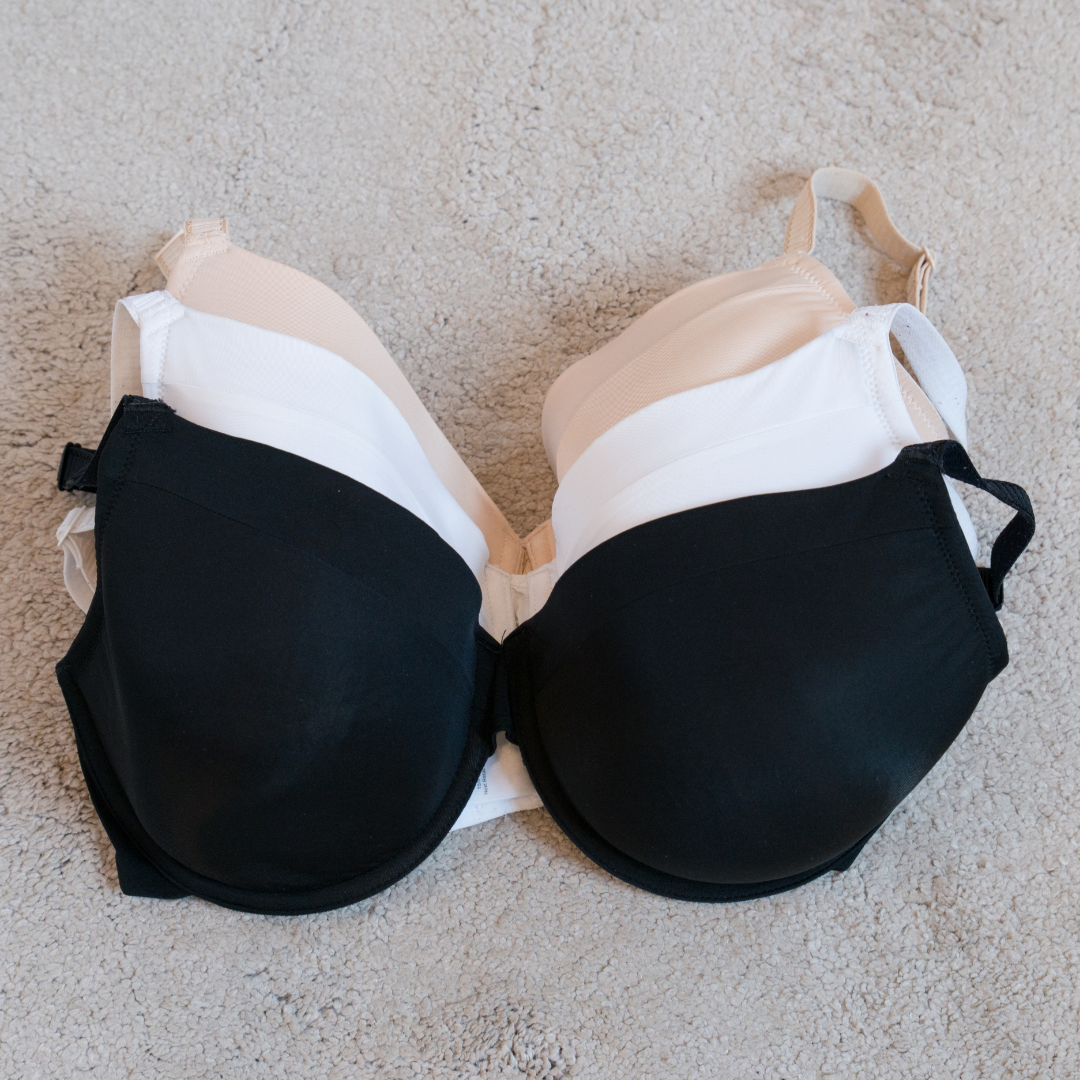
Your Body Changes, and So Should Your Bras
Your body is dynamic, and your bra should be too. Hormonal cycles, weight fluctuations, puberty, pregnancy, postpartum, and aging all affect your breast size and shape. The key to comfort and support is regular reassessment, understanding your unique needs, and choosing bras that accommodate change rather than resist it.
Polish bras provide an elegant solution for full-bust women, combining structure, adaptability, and comfort. With deeper cups, supportive bands, and thoughtfully engineered construction, they help you navigate all stages of life without compromising on fit or style.
Ready to Find Your Perfect Fit?
Don’t settle for bras that feel uncomfortable or inconsistent. Explore Miseczki’s curated collection of premium Polish bras, designed to support full-bust women through every stage of life.
Because the right bra isn’t just about size - it’s about confidence, comfort, and empowerment.
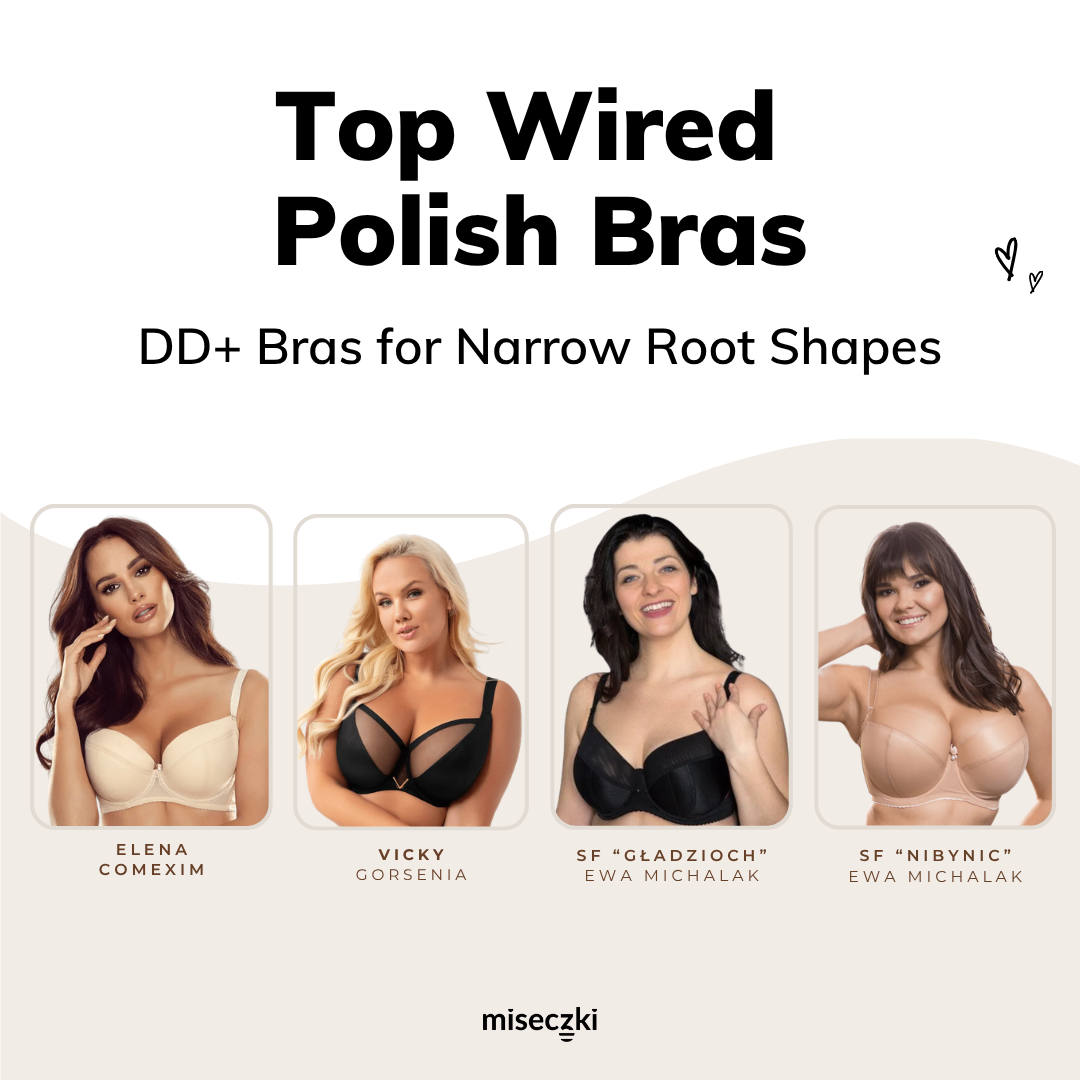

Best Wired Polish Bras for Narrow Root Shapes in DD+
If you have a narrow breast root in a DD+ cup size, most standard bras were simply not built f...
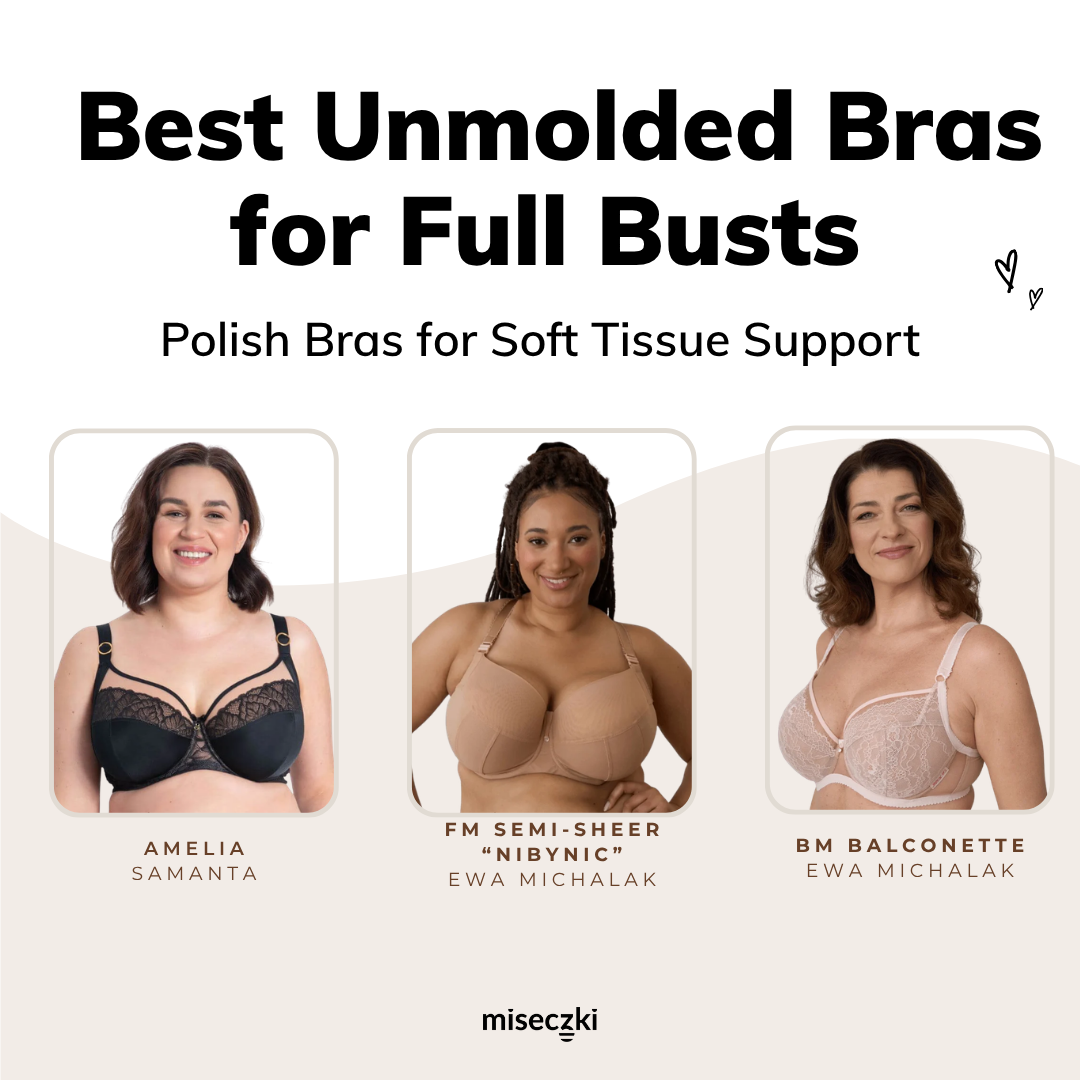

Best Unmolded Polish Bras for Soft Tissue Support in Full Busts
Soft breast tissue in DD+ sizes has a specific problem with molded cups: the pre-formed shell ...
How Bra Size Changes: Hormonal Changes, Weight Fluctuations, and Life Stages Affect Your Size
Your bra size isn't fixed, it shifts with your menstrual cycle, pregnancy, breastfeeding, weig...
DD+ Bras Made in Poland Are Our Passion & Expertise


Specialized Polish Fit Expertise
Unlike many other boutiques, Polish bras are our specialty and our passion. We work exclusively with the top Polish brands and understand the subtle nuances in fit, shape, style, and support.


Personalized Fit Support
Have a question on sizing? Start with our size guide, complete with a Polish Bra Size Calculator to find your best starting point and brand conversions. Still unsure? Contact us, for tailored fit advice.


Loyalty Points and Discounts
Join our loyalty program to earn points for discounts on future orders. Sign up for our newsletter to stay up-to-date on our latest deals and arrivals.


Fast Delivery and Exchanges
We provide fast, hassle-free, domestic delivery. All orders are shipped out of Chicago and typically arrive within a few days. If you need a size adjustment, it's easy to make a free exchange. We offer free returns for store credit (+ 5% bonus credit where eligible).